What Documents Are Needed for Veteran Services
Honoring a veteran with a service that reflects their dedication and sacrifice requires more than emotional preparation. It also involves gathering the right documentation to ensure that all available benefits are accessed and that military honors are properly arranged. Understanding which documents are needed and why they matter can help families navigate this process with greater ease during an already difficult time.
Why Documentation Matters
Veteran services often come with a range of benefits provided by the Department of Veterans Affairs and other government agencies. These benefits can include burial in a national cemetery, military honors, a burial flag, a government headstone or marker, and financial assistance for funeral expenses. However, accessing these benefits requires proof of eligibility, and that proof comes in the form of specific documents.
Having the necessary paperwork ready in advance prevents delays and reduces stress for the family. It also ensures that every honor and benefit the veteran earned through their service is properly extended. Working with a funeral provider experienced in veteran services can make gathering and submitting these documents much more manageable.
The DD Form 214
The single most important document for arranging veteran services is the DD Form 214, also known as the Certificate of Release or Discharge from Active Duty. This form provides essential information about the veteran's military service, including dates of service, branch, rank, awards, and type of discharge. Without this document, families may face significant delays in accessing benefits.
If your loved one served in the military but you cannot locate their DD Form 214, do not panic. Copies can be requested from the National Archives through the National Personnel Records Center. This process may take time, so requesting a copy well in advance, ideally as part of pre-planning, is highly recommended.
For veterans discharged before 1950, alternative discharge documents may be used, as the DD Form 214 was not standardized until later. Your funeral provider can help identify which documents apply based on the veteran's era of service.
Proof of Identity and Vital Records
In addition to military service documents, families need to provide standard vital records for the deceased. These typically include a certified copy of the death certificate, which will be needed for numerous purposes beyond funeral arrangements, such as settling estates and closing accounts. Multiple certified copies are often required, so requesting several at once can save time later.
A government-issued photo ID, such as a driver's license or passport, is also useful during the arrangement process. If the veteran had specific military identification cards, these can be helpful as well, though they are not always required.
Marriage and Family Documents
If the veteran's spouse or dependent children may also be eligible for burial benefits or if the spouse will be applying for survivor benefits, additional documentation is needed. A certified marriage certificate proves the spousal relationship, while birth certificates establish the identities of dependent children. If there have been previous marriages, divorce decrees or death certificates of prior spouses may also be required.
For families with children from multiple relationships or complex family structures, gathering these documents can take time. Starting early and keeping copies organized in a single location makes the process much smoother when the time comes.
Awards, Decorations, and Service Records
While not always required, documentation of awards, medals, and commendations can be meaningful during the arrangement of military honors and personalized tributes. These records help ensure that the veteran's full service history is recognized and celebrated. Certificates of awards, photographs of the veteran in uniform, and any other service-related documents can be incorporated into memorial displays or referenced during the service.
Through thoughtful personalization, families can use these records to create meaningful tributes such as shadow boxes displaying medals, memory tables featuring service photographs, or printed programs that highlight specific accomplishments. These personal touches transform the service into a true celebration of the veteran's military legacy.
Documents for National Cemetery Burial
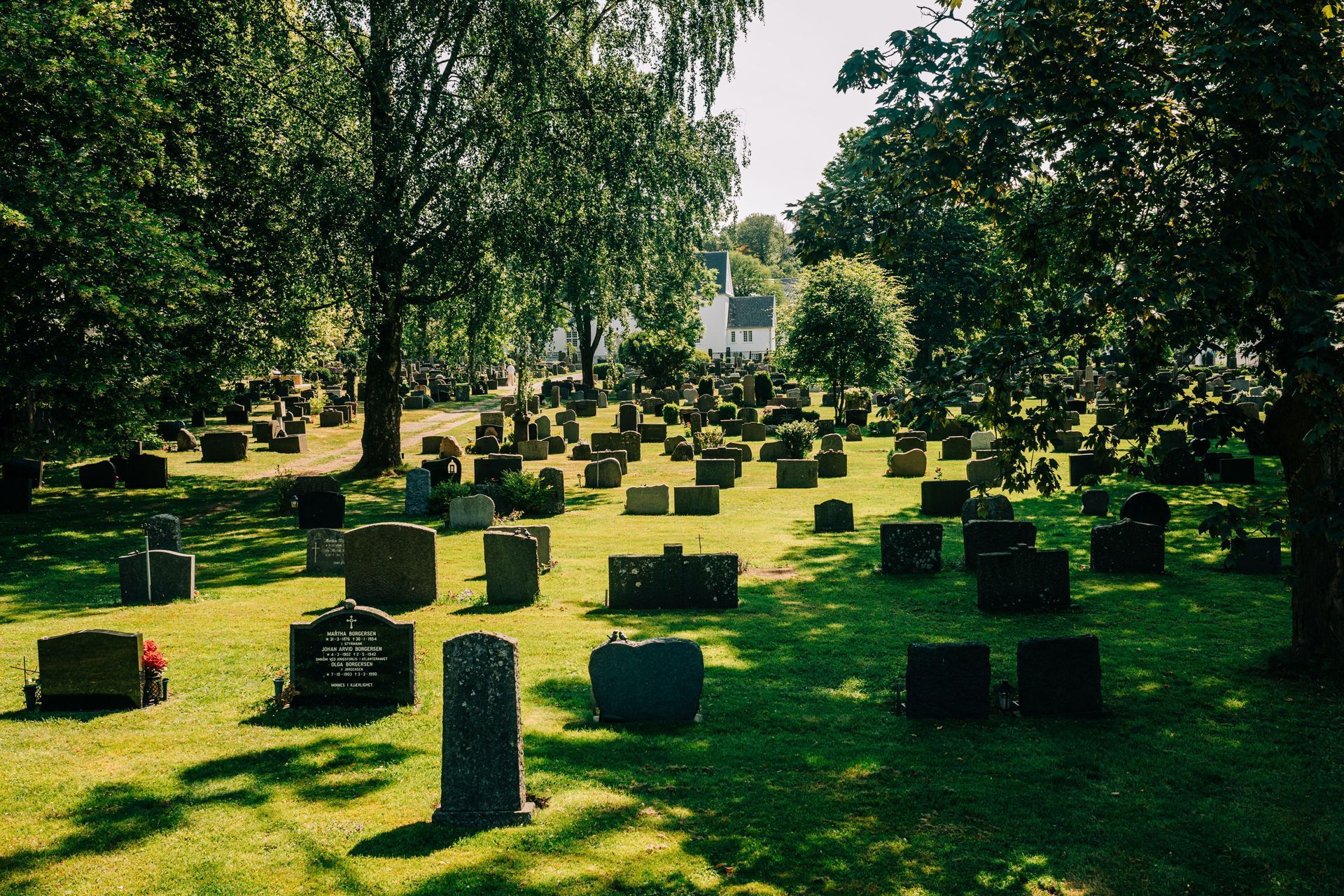
If your family plans to bury the veteran in a national cemetery such as Fort Sam Houston National Cemetery in San Antonio, additional paperwork will be needed. The primary requirements include the DD Form 214, the death certificate, and completed application forms from the Department of Veterans Affairs. Cemetery staff or your funeral provider can walk you through the specific application process.
Reservations at national cemeteries are generally made at the time of need, not in advance. However, pre-planning discussions can identify which cemetery you prefer and gather the documents needed so that the process moves smoothly when the time comes.
Documents for Government-Provided Markers
For veterans buried in private cemeteries, families can request a government-provided headstone or marker at no cost. This requires submitting an application along with the DD Form 214 and proof of the veteran's death. The application process can take several weeks, so families should plan accordingly if a government marker is desired.
Different marker styles are available depending on the veteran's era of service and personal preferences. Bronze markers, upright granite headstones, and flat granite or marble markers are all options, and choosing the right one is part of honoring the veteran's memory in a lasting way.
Planning Ahead Makes All the Difference
Gathering these documents during a time of grief can feel overwhelming, which is why so many families benefit from planning ahead. By collecting and organizing important paperwork in advance, veterans and their families ensure that everything is in order when the time comes. This kind of preparation is a thoughtful gift that eases the burden on loved ones and ensures that every honor is properly extended.
Pre-planning also provides an opportunity to discuss preferences for the service itself, from military honors to personal touches that reflect the veteran's life beyond their service. These conversations bring peace of mind to both the veteran and their family.
Honoring Service With Care and Precision
Every veteran deserves a farewell that fully honors their dedication and sacrifice. Having the right documents ready ensures that this happens smoothly and that no earned benefit is overlooked. If your family is preparing to honor a veteran or wishes to organize documentation in advance, we invite you to learn more about our chapel and the compassionate care we provide to veteran families. Our experienced team is always ready to assist you with guidance, respect, and the dedicated support your family deserves.