Understanding Veteran Burial Benefits
Honoring the men and women who have served in the armed forces is a sacred duty that extends beyond their years of active service.
When a veteran passes away, their family is entitled to a range of benefits designed to recognize their dedication and sacrifice. Understanding these benefits can help families plan a respectful and dignified farewell while easing the financial burden often associated with end-of-life arrangements.
Who Qualifies for Veteran Burial Benefits
Veteran burial benefits are available to eligible veterans, their spouses, and dependent children. To qualify, the veteran must have served in the United States Armed Forces and received a discharge other than dishonorable. Members of the Reserves and National Guard may also be eligible if they meet specific service requirements. Spouses and dependent children of eligible veterans can receive certain benefits even if the veteran is still living, as long as the proper documentation is provided when the time comes.
It is important to gather the necessary paperwork in advance. The most critical document is the DD Form 214, which serves as proof of military service and discharge status. Without this form, families may experience delays or complications when applying for benefits. Other helpful documents include marriage certificates, birth certificates for dependents, and any awards or commendations the veteran received.
Burial in a National Cemetery
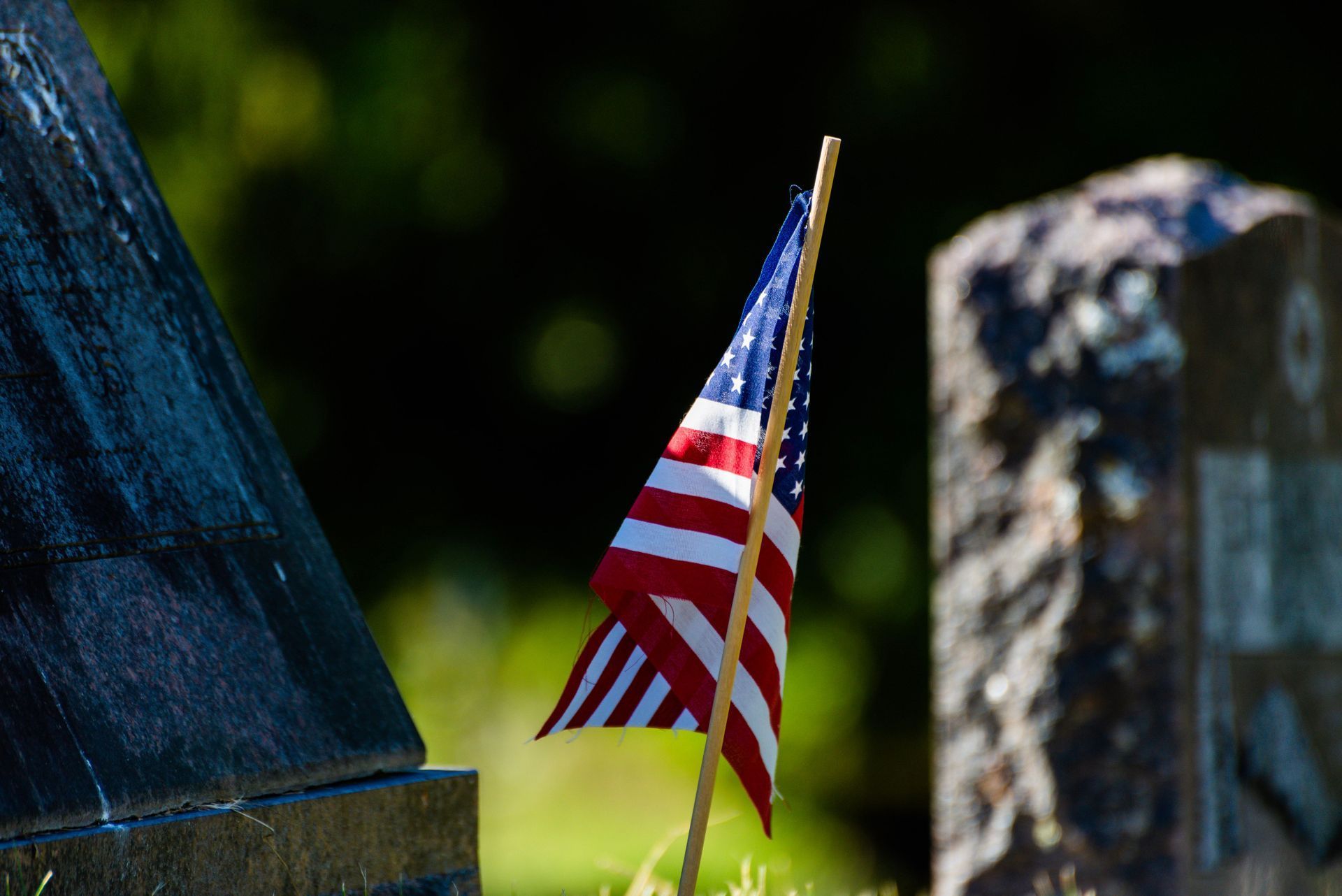
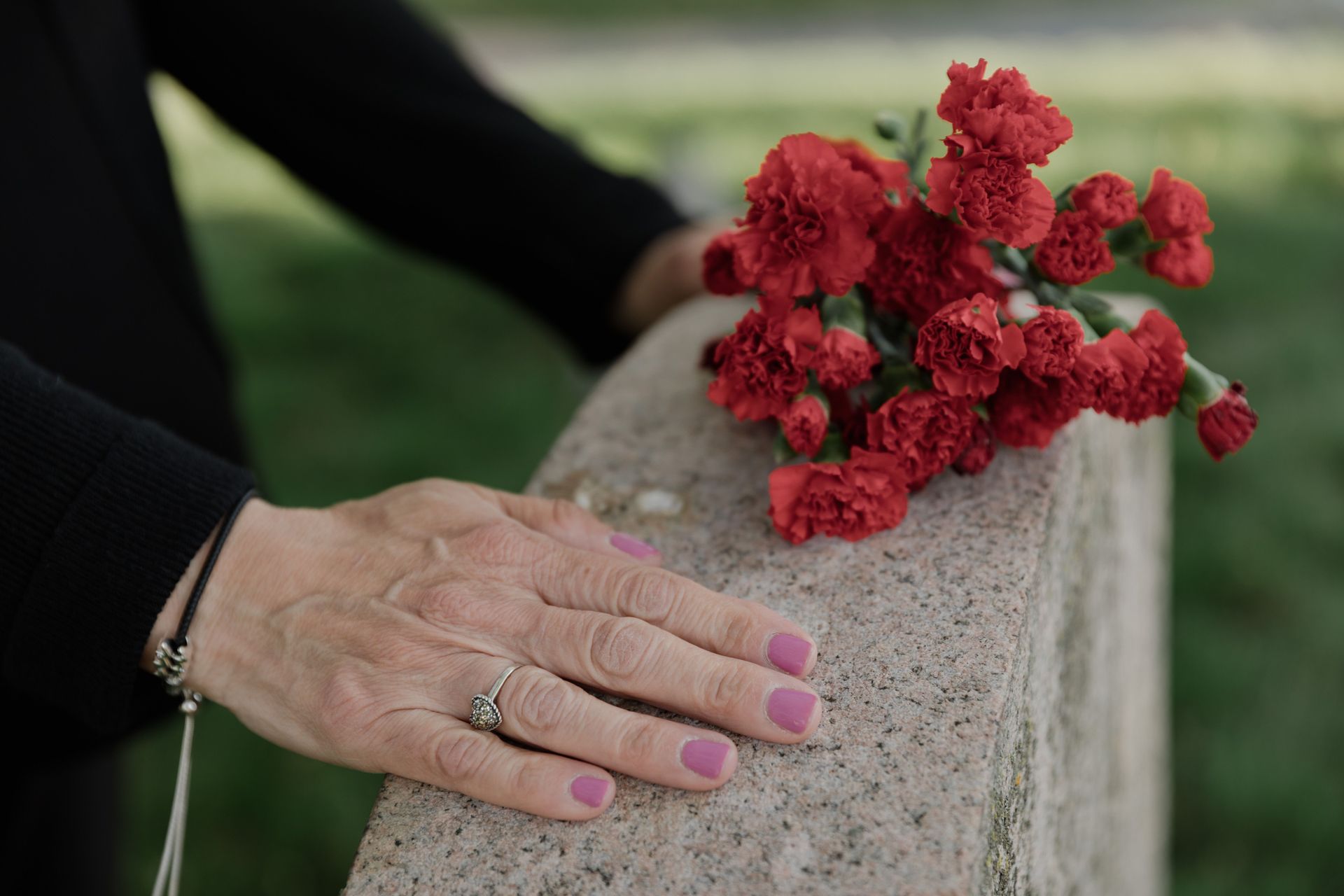
One of the most significant benefits available to eligible veterans is burial in a national cemetery at no cost to the family. This benefit includes the gravesite, opening and closing of the grave, a government headstone or marker, a burial flag, and perpetual care of the gravesite. National cemeteries are maintained with great care and serve as places of honor where veterans rest alongside their fellow service members.
Families may choose any open national cemetery, regardless of the veteran's home state. However, not all national cemeteries have available space, so checking with the Department of Veterans Affairs in advance is recommended. For families who prefer a private cemetery, certain benefits such as a government headstone or marker, a burial flag, and a Presidential Memorial Certificate are still available.
Military Honors and Funeral Customs
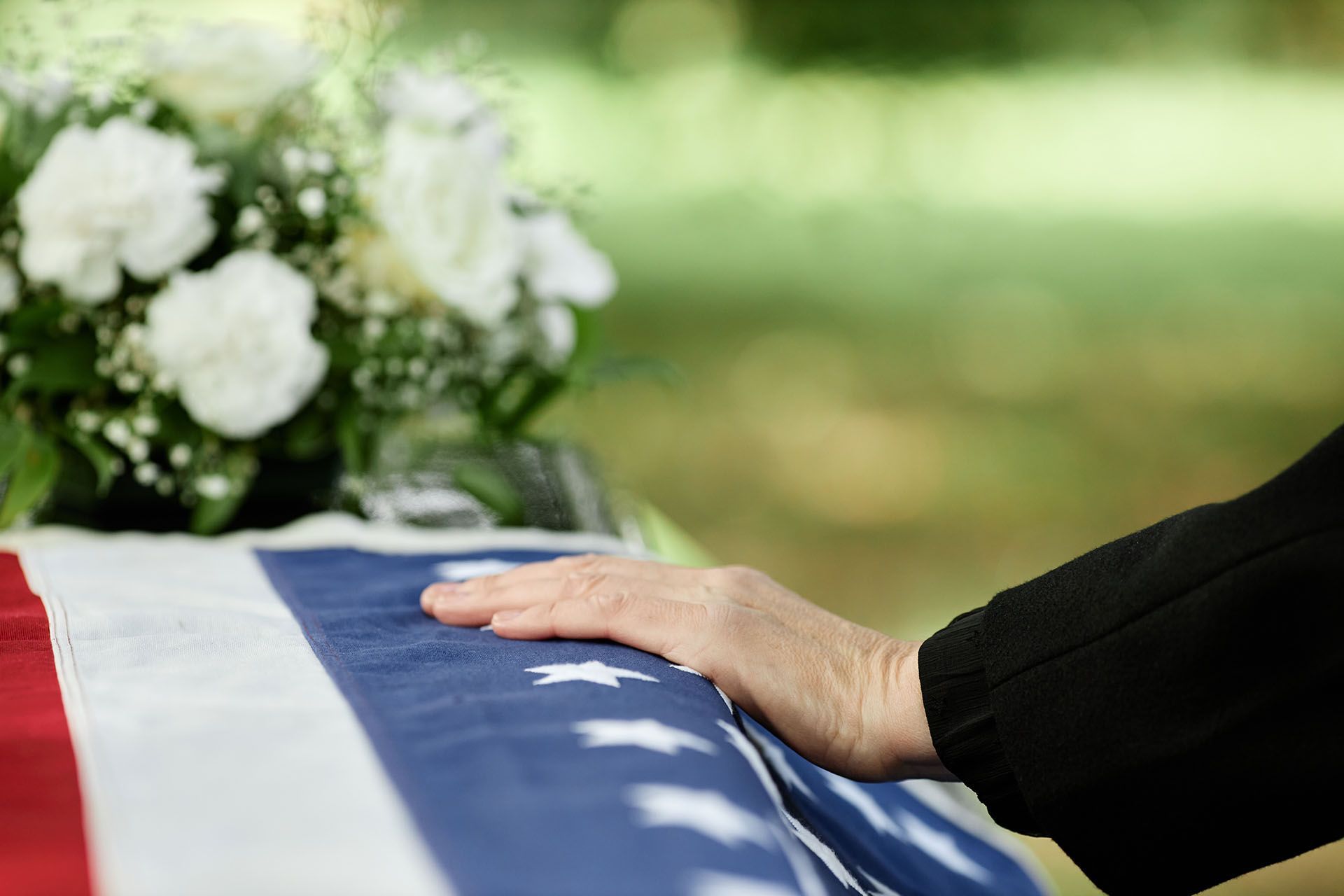
Every eligible veteran is entitled to military funeral honors, which include the playing of Taps and the folding and presentation of the United States flag to the next of kin. These ceremonies are deeply moving and provide a powerful way to acknowledge the veteran's service. Depending on the branch of service and rank, additional honors such as a rifle salute, a flyover, or the presence of a military honor guard may be available.
Coordinating military honors requires advance planning, and your funeral provider can help arrange these services. Our team has extensive experience in providing veteran services and can help ensure that every detail of the military funeral honors is handled with the respect and precision they deserve.
Financial Assistance and Reimbursement
In addition to burial benefits, the Department of Veterans Affairs offers financial assistance to help cover funeral and burial expenses. The amount of assistance varies depending on whether the death was service-connected and where the veteran is buried. Families may also be eligible for reimbursement of transportation costs if the veteran's remains need to be moved to a national cemetery.
To apply for these benefits, families should contact the Department of Veterans Affairs directly or work with a funeral provider experienced in handling veteran services. The application process can be complex, but knowing what is available can make a significant difference for families navigating both grief and financial concerns.
Personalizing a Veteran's Service
While military honors provide a structured framework for a veteran's funeral, families often want to add personal touches that reflect their loved one's life beyond their service. Personalization can include displays of medals and uniforms, photo tributes from different stages of life, and music or readings that hold special meaning. Through thoughtful personalization, families can create a service that honors both the veteran's military legacy and their identity as a parent, spouse, friend, or community member.
Some families choose to incorporate elements such as a memorial table with the veteran's dog tags, a shadow box of medals, or a folded flag display. These personal touches add depth and meaning to the service and help mourners connect with the veteran's full life story.
Supporting Loved Ones Through Grief
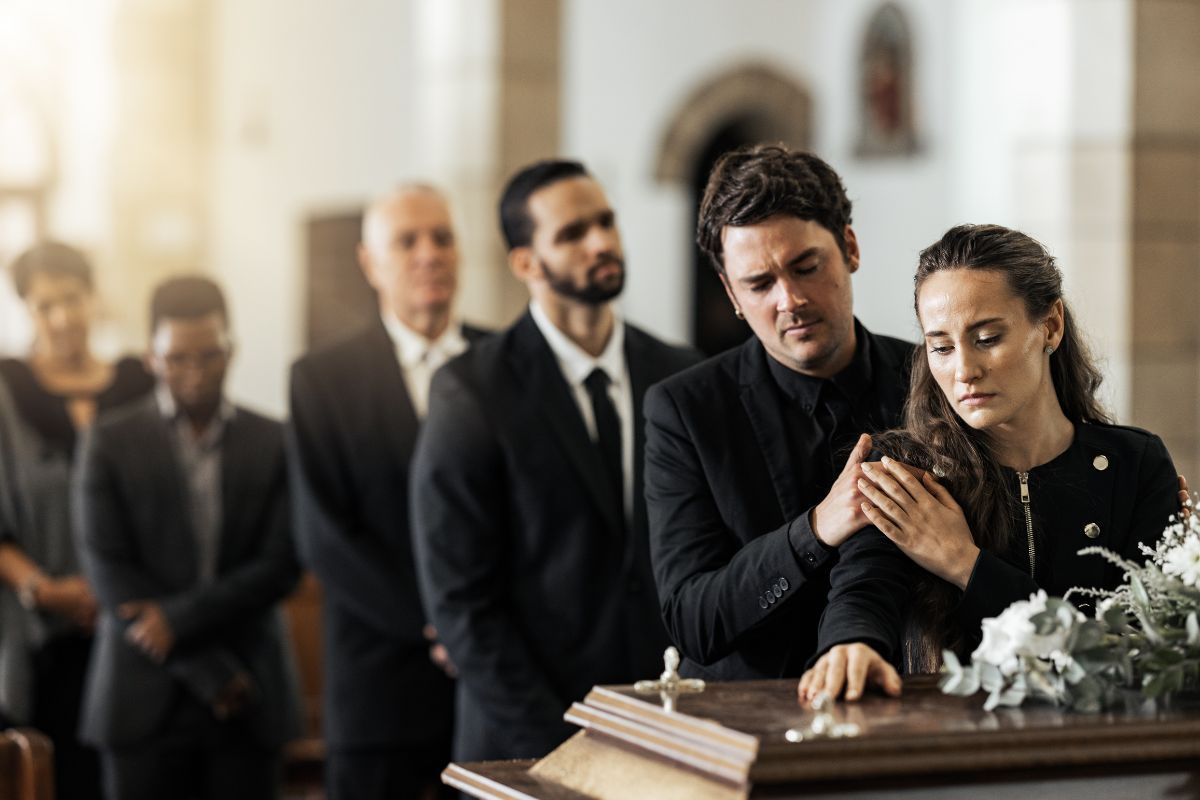
Losing a veteran is a profound experience, especially for those who watched them serve and sacrifice. The grieving process can be complicated by the strong emotions tied to military service, including pride, gratitude, and sometimes unresolved feelings about wartime experiences. Accessing grief resources can help family members work through their emotions and find healthy ways to remember their loved one.
Support groups, counseling, and educational materials can all play a role in the healing journey. It is important to give yourself and your family the time and space needed to grieve, and to seek help when emotions feel overwhelming.
A Tribute Worthy of Their Service
Veterans dedicated their lives to protecting the freedoms we enjoy, and their final farewell should reflect the depth of that commitment. Understanding the benefits available and working with a knowledgeable funeral provider ensures that every aspect of the service is handled with honor. If you would like to learn more about how we serve veteran families, visit our website to explore the compassionate care we provide. Our team is ready to assist you in creating a tribute that truly honors your loved one's service and legacy.